
HVAC and the Internet of Things

info • October 4, 2020

Share this article

Tomorrow is coming fast, but HVAC still needs attention

At Climate Control Services, we don’t usually talk much about science fiction. We are more interested in what our customers need, and how we can best meet those needs and give customers what they want. And the Internet of Things (IoT) has seemed like science fiction. It’s also seemed dangerous; we’ve seen reports of criminals who hacked people’s garage door openers and let themselves into houses they should not have been in. Sounds like the sort of thing sensible people stay away from.


Nevertheless, the IoT is here and it isn’t going away. The latest report we’ve seen says that there are already 15.4 billion IoT devices installed and in just four years’ time there’ll be twice that number. And it becomes interesting to anybody in our business because a start-up company in California called Tekpea has patented a system for converting the protocols that utilities use to monitor electricity, gas and water usage to TCP/IP, which is the protocol that passes data and information up and down to the Internet. They call what they are doing, “Connecting Continuous Process Industry to the Cloud.” What Tekpea are talking about is the Industrial Internet of Things (IIoT), which is a close relation of the Internet of Things but one that generates money (often in large amounts) for the people who use it.


So it seems that even a family-owned and family-run HVAC company in northern Illinois needs to be aware of the Internet of Things because it’s going to affect our customers, and what affects our customers matters to us.


What is there that we and our customers need to know? Well, first of all, we need to know that, increasingly, the meters that register our use of electricity, gas and water will have monitoring devices in them. The monitoring devices for a whole subdivision will be connected – by cable, by Wi-Fi, by something – the information they collect about how much power and water each consumer has used will be collected together, and it will be transmitted to the utility so that we can all be charged the correct amount. This is called Automated Metering Infrastructure (AMI). It’s being used here in America; it’s being installed in Colombia; it’s been in operation in remote areas of India for some time. It’s not the future; it’s the present.


AMI will allow the utilities to get our bills out faster and to be sure they are right. But it will also offer help to us, because smart devices are at the heart of the Internet of Things, and we as consumers will receive guidance on how we can reduce our energy consumption. That will be forced on the utilities, because it’s in the national interest and government wants it to happen. It may not simply be guidance, either – it will almost certainly be possible to sign up to programs that allow the system in our home to run devices when energy usage is lower and therefore the price to us will also be reduced.


There’s more. It won’t only be the utilities’ meters that can send information up the line – the manufacturers of our furnaces, our air conditioning units and every other domestic appliance we have will be able to do the same. Their ability to communicate is already there – that’s what the IoT means – but given what Tekpea offers, which is the ability to send information to the cloud, it will be possible for the manufacturer to detect a malfunction or a potential failure before the homeowner has any knowledge of it at all. We, as HVAC installers and maintainers, can certainly see the advantage in knowing before our customer experiences an equipment outage that there is a problem, and that we have a way to fix it.


 It’s a brave new world, and we are probably lucky to be living in it. However, there is still a life to be lived with the equipment we have. If you’d like to meet to discuss your present setup, how it could be improved and how, potentially, we can save you money, get in touch. That’s what we’re here for.

Recent Posts

December 14, 2023
Learn what to do when your furnace begins to fail or stops working. If your furnace needs repair, turn to a local HVAC service provider with the right amount of experience. Read this furnace repair guide to learn more.

December 6, 2023
At first glance, a heat pump and air conditioner appear nearly identical. However, one functions with greater versatility. Learn more about the differences in this post.

May 18, 2022
No one said homeownership was easy. Along with fiscal stability and long-term security, owning your own home can come with other inconveniences and frustrations such as seasonal stressors, unexpected repairs, and various rehab projects. While homeownership can sometimes seem like a never ending string of responsibilities and menial tasks, the statistical data is very clear: The frustration is worth it. Homeownership has significant benefits that can build both emotional and financial wealth over the years. Over three decades of studies have shown that homeownership leads to higher test scores for children, improved mental health outcomes, and a more stable retirement for adults.
By info August 16, 2021
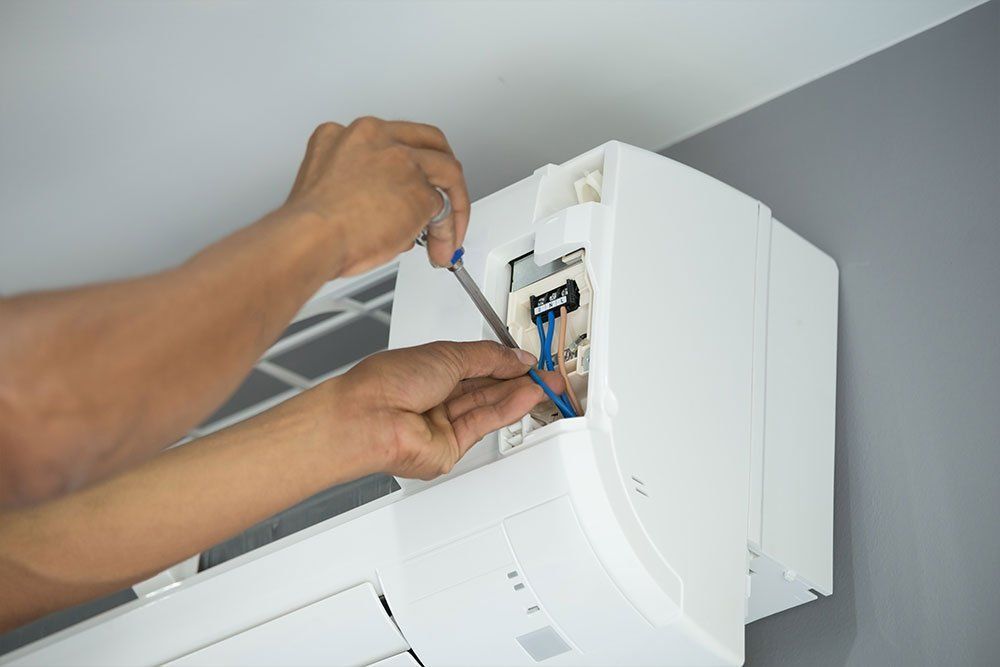
Split air conditioners have an outdoor unit and an indoor unit. The outdoor unit is on an outside wall near the space to be cooled and houses the compressor and the condenser and expansion coils. The indoor unit contains a cooling coil, blower and air filter.
By info August 6, 2021
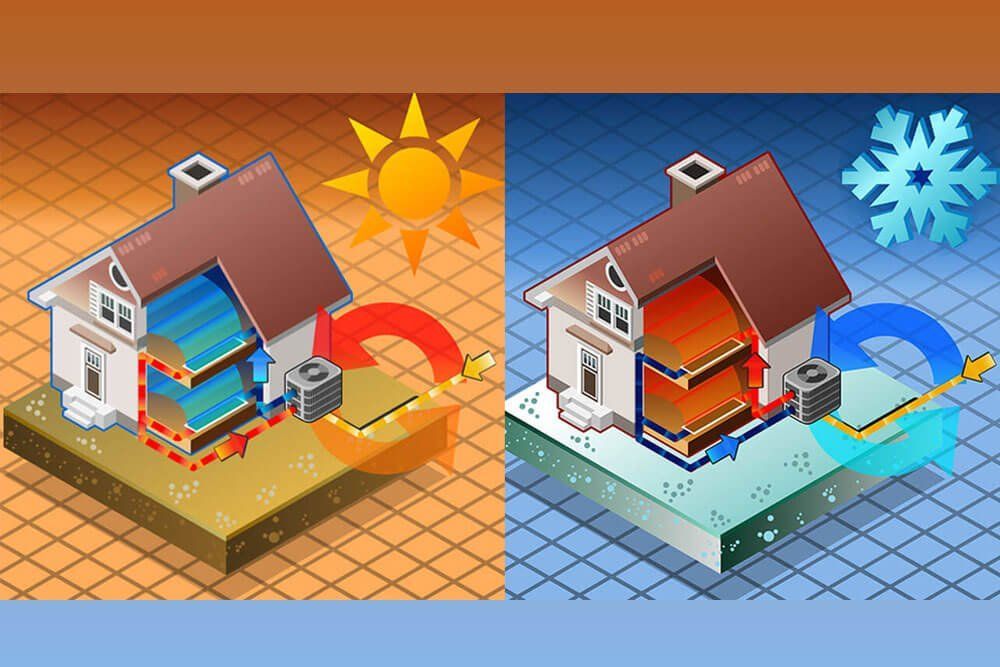
Most of the heat pumps you’ll see are splits: they have an outdoor unit and an indoor unit. Occasionally, you’ll come across a packaged system where everything – compressor, condenser, coil and fan – is in a single (outdoor) cabinet.
By info July 29, 2021
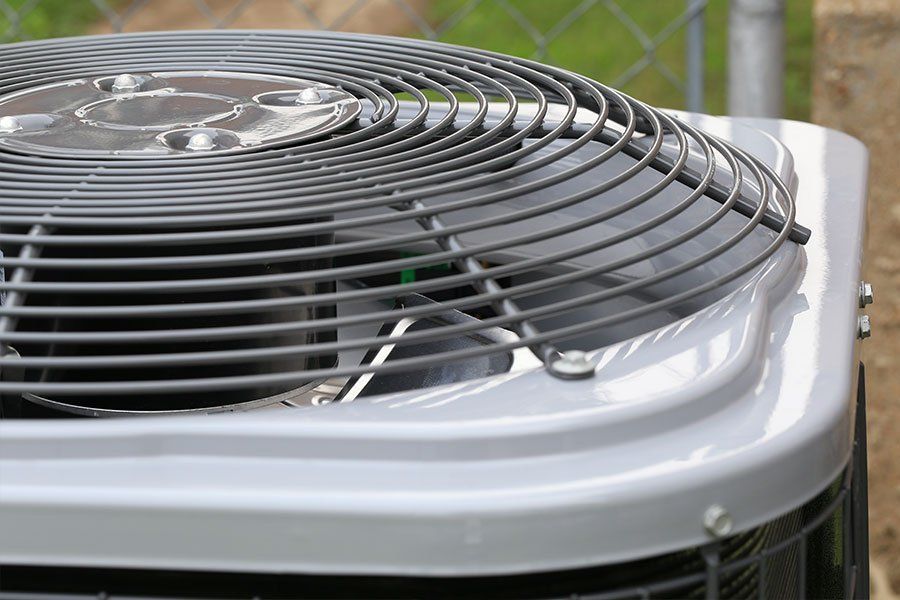
Routine maintenance on air conditioners is key to ensure your expensive equipment continues to function at a high level for years to come.

By info July 16, 2021
Building energy management systems (BEM) have been around for ten years or more but were mostly restricted to large facilities where they produced big cost savings and allowed management a better understanding of what went on in their buildings.

By info July 13, 2021
SEER stands for Seasonal Energy Efficiency Ratio and refers to the performance of air conditioners. New air conditioners must be manufactured to reach a minimum SEER level, which varies according to where in America the system is to be installed.
By info July 11, 2021
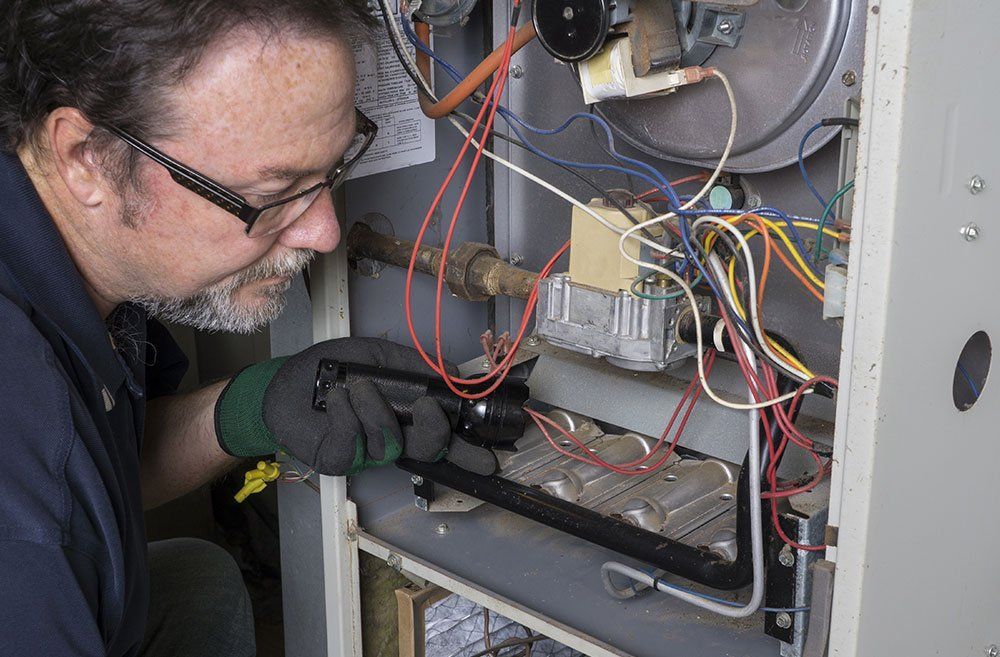
The biggest cause of failure in domestic heating systems is lack of maintenance. That’s when most people call for help – when the furnace isn’t working, or it’s working but the heat isn’t getting through, or the heat is getting through but it’s patchy and there isn’t enough of it.
By info July 8, 2021
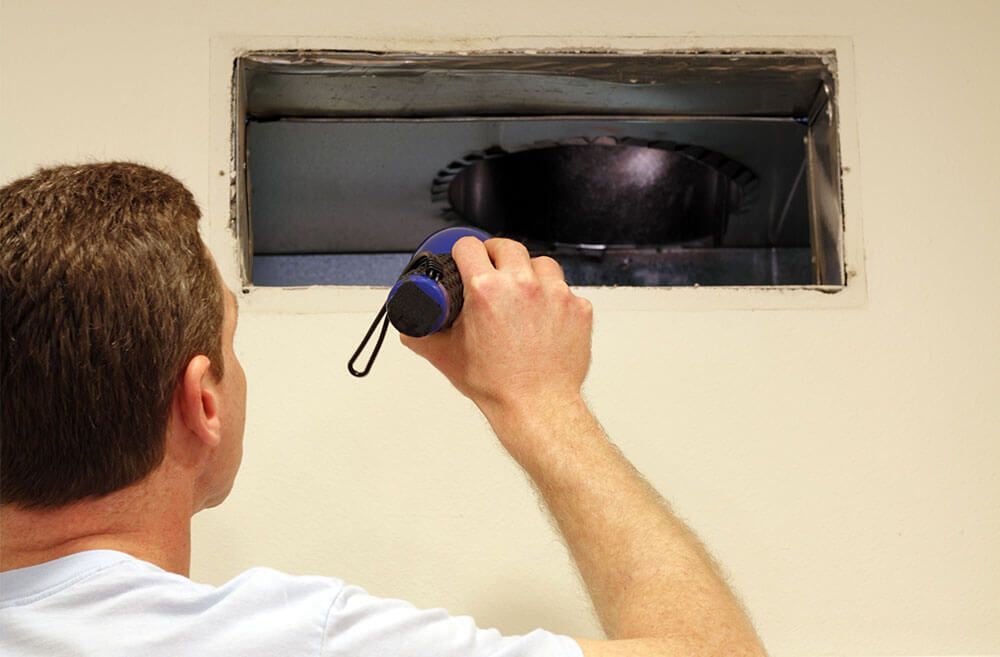
Ductless air conditioning is sometimes called a mini split or a ductless split system because it has two parts: A compressor installed outside the building; and an indoor fan unit installed close to the ceiling on an exterior wall.
Show More