

HVAC: Unraveling Mysteries

info • August 6, 2021

Share this article

HVAC: How Air Source Heat Pumps Work

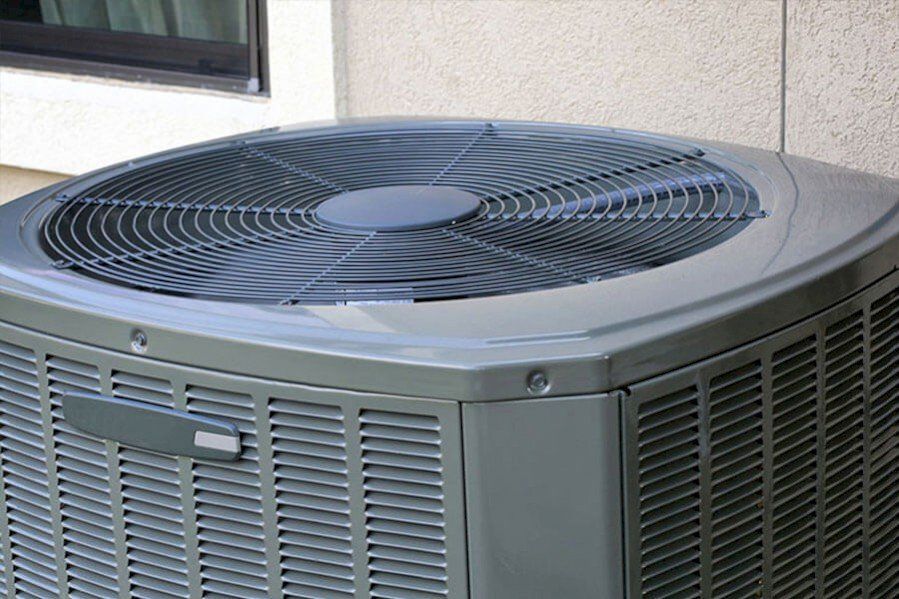
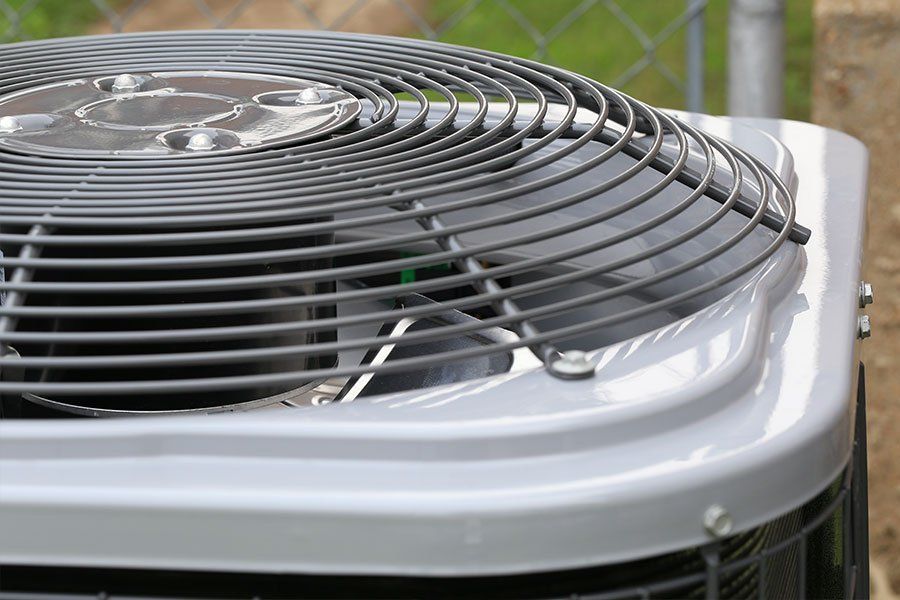
Most of the heat pumps you’ll see are splits: they have an outdoor unit and an indoor unit. Occasionally, you’ll come across a packaged system where everything – compressor, condenser, coil and fan – is in a single (outdoor) cabinet.


Heat pumps do two jobs, at least in Illinois (the heating isn’t needed in tropical climes): they heat the place during winter and cool it in summer.


Cooling

The way a heat pump works in cooling air during hot periods is very similar to how air conditioners operate. What does the cooling is the action of converting a liquid to a gas. The liquid/gas is the refrigerant – a hydrofluorocarbon (HFC), which these days is almost certain to be non-ozone forming (though there are still plenty of older units around that don’t have that environmental protection). The evaporator coil is in the indoor unit; it transfers the warmth (in the form of gaseous HFC) and humidity you don’t want inside the house to the outdoor unit (which is why those units are so hot in summer) and the condenser and compressor in the outdoor unit expel the heat and convert the gas back into a liquid to return indoors and keep repeating the cycle. The liquid, meanwhile, drops into a tray in the outdoor unit and is fed into a drain.


Heating

To do its winter heating job, the heat pump simply reverses direction. It’s important to understand that cold winter air is only cold to humans, plants and animals – being cold doesn’t mean it contains no heat. In fact, all air warmer than absolute zero contains some heat (otherwise, of course, it would be AT absolute zero), so what the heat pump does is to extract heat from the outside air by evaporating the refrigerant. That warmed air is passed to the inside unit and – hey presto – the house is warmed!


Need advice on choosing the right HVAC set-up for your needs? If you’re anywhere near Elgin, Illinois, give us a call. That’s what we’re here for.

Recent Posts

October 27, 2026
Finishing a basement in Elgin, IL means meeting four HVAC code requirements first. Climate Control Services outlines what inspectors check first.
October 27, 2026
Climate Control Services compares locally owned and corporate HVAC contractors in Elgin, IL: ownership, pricing, accountability, and technician turnover.

October 27, 2026
HVAC replacement requires a permit in Elgin. Climate Control Services covers the code, the inspection, and how permitting gets handled for you.

By info • September 28, 2026
AC replacement in Elgin, IL costs $3,800 to $7,500 in 2026. Climate Control Services breaks down pricing factors, quotes, and rebates for local homeowners.
By info • August 16, 2026
Climate Control Services' split system AC part replacement checklist helps Elgin homeowners catch failures, confirm causes, and avoid repeat repair visits.
December 14, 2023
Learn what to do when your furnace begins to fail or stops working. If your furnace needs repair, turn to a local HVAC service provider with the right amount of experience. Read this furnace repair guide to learn more.

December 6, 2023
At first glance, a heat pump and air conditioner appear nearly identical. However, one functions with greater versatility. Learn more about the differences in this post.

May 18, 2022
No one said homeownership was easy. Along with fiscal stability and long-term security, owning your own home can come with other inconveniences and frustrations such as seasonal stressors, unexpected repairs, and various rehab projects. While homeownership can sometimes seem like a never ending string of responsibilities and menial tasks, the statistical data is very clear: The frustration is worth it. Homeownership has significant benefits that can build both emotional and financial wealth over the years. Over three decades of studies have shown that homeownership leads to higher test scores for children, improved mental health outcomes, and a more stable retirement for adults.
By info • July 29, 2021
Routine maintenance on air conditioners is key to ensure your expensive equipment continues to function at a high level for years to come.

By info • July 16, 2021
Building energy management systems (BEM) have been around for ten years or more but were mostly restricted to large facilities where they produced big cost savings and allowed management a better understanding of what went on in their buildings.
Show More