

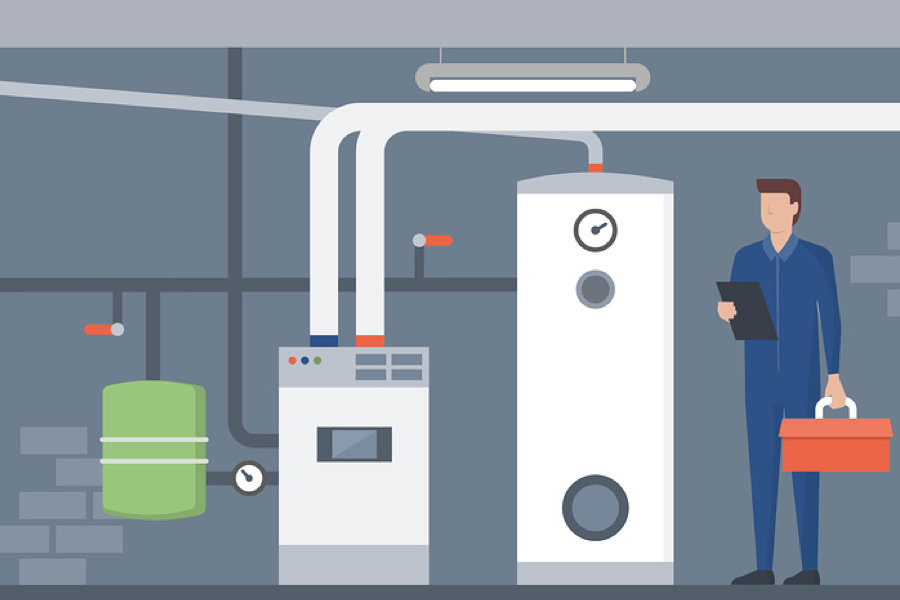
Building Energy Management Systems Aren’t Just For Giants

info • July 16, 2021

Share this article

The savings from intelligent HVAC systems are for us all to share


Building energy management systems (BEM) have been around for ten years or more but were mostly restricted to large facilities where they produced big cost savings and allowed management a better understanding of what went on in their buildings. That has been changing, and systems are now spreading among the managers of smaller facilities, to the extent that Navigant Research says the market, currently worth $235 million, will reach $1.6 billion by 2025.


Until recently, BEM companies have focused on facilities in the 100,000 square feet and upwards bracket. Now, though, Navigant states that the development of intelligent buildings means that BEM is giving a good return on investment to owners of buildings of between 10,000 and 100,000 square feet.


Building Energy Management is not just about cutting bills


Unless the building was already being run at peak efficiency – and, without the aid of a sophisticated computer program, achieving that is difficult – being able to control and manage heating and cooling systems is almost guaranteed to reduce the amount of energy used and, therefore, the cost. That is not, though, the only gain from BEM. Collecting data from the entire facility and offering a variety of filters through which to look at it means you can check performance, all the way from an integrated view of the facility as a whole down to each specific machine and device. If a single furnace, compressor or fan unit is letting down the whole system, you can identify it – and then do the math. Cheaper in the short/medium/long term to keep it and pay for the energy it uses? Or to invest now in a replacement and reap the benefits in lower bills?


Putting Building Energy Management information where it’s needed


The Navigant Research report lists the people it’s designed to help. They mention:


  • The people who sell building automation systems, and the people who sell IT systems generally
  • Tech startups
  • Electric utilities and ESCOs
  • Investors


The list ends there. Well, whoa! Isn’t there someone missing here? What about the people – maybe the family company; maybe the husband and wife team – who build or buy a medium size facility not as an investment but as a place to run their business? What about the big warehouse operator, the big factory owner, the big retailer? What, in short, about people like you?


Okay, so maybe you’re not the kind of people Navigant Research thinks about when it writes its reports. But you’re the kind of people Climate Control Services thinks about – seven days a week, fifty-two weeks a year. If you have a building in which you’re afraid energy costs are getting out of hand, and you want expert advice, call us. Giving expert advice is what we do.

Recent Posts

December 14, 2023
Learn what to do when your furnace begins to fail or stops working. If your furnace needs repair, turn to a local HVAC service provider with the right amount of experience. Read this furnace repair guide to learn more.

December 6, 2023
At first glance, a heat pump and air conditioner appear nearly identical. However, one functions with greater versatility. Learn more about the differences in this post.

May 18, 2022
No one said homeownership was easy. Along with fiscal stability and long-term security, owning your own home can come with other inconveniences and frustrations such as seasonal stressors, unexpected repairs, and various rehab projects. While homeownership can sometimes seem like a never ending string of responsibilities and menial tasks, the statistical data is very clear: The frustration is worth it. Homeownership has significant benefits that can build both emotional and financial wealth over the years. Over three decades of studies have shown that homeownership leads to higher test scores for children, improved mental health outcomes, and a more stable retirement for adults.
By info August 16, 2021
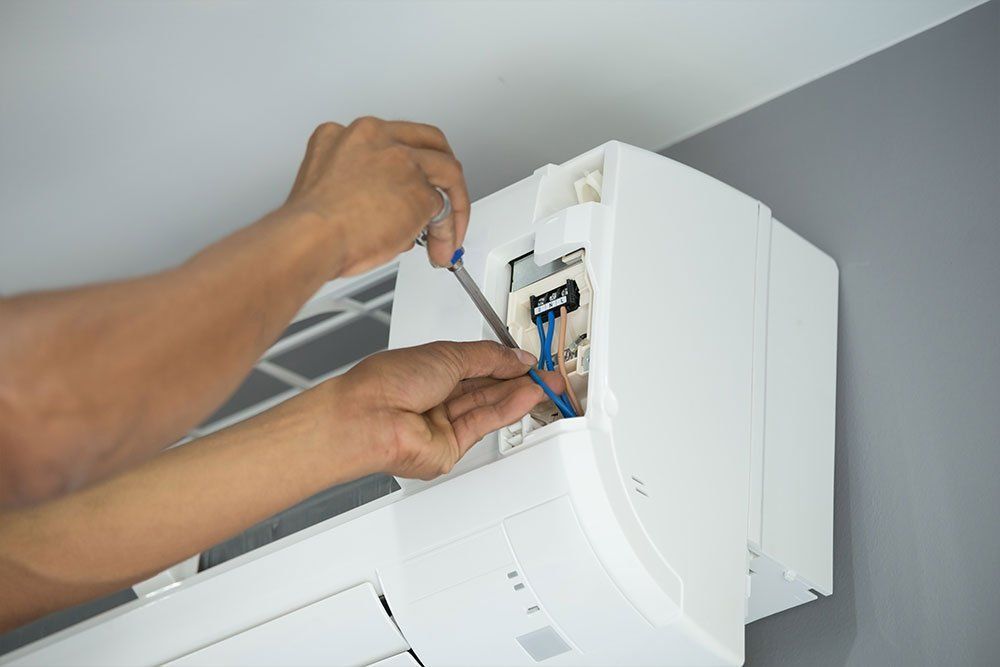
Split air conditioners have an outdoor unit and an indoor unit. The outdoor unit is on an outside wall near the space to be cooled and houses the compressor and the condenser and expansion coils. The indoor unit contains a cooling coil, blower and air filter.
By info August 6, 2021
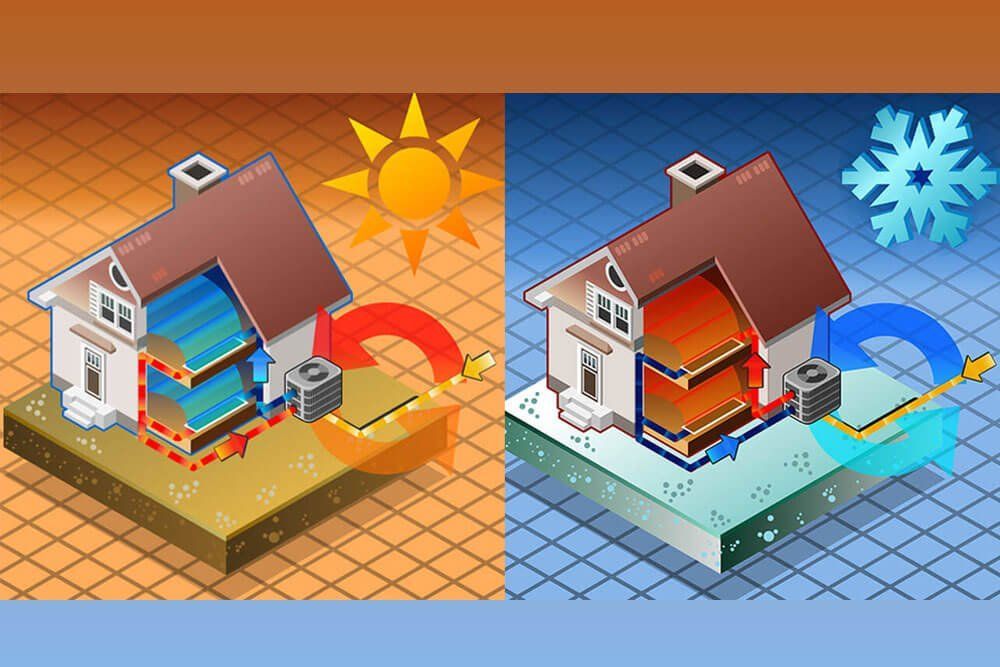
Most of the heat pumps you’ll see are splits: they have an outdoor unit and an indoor unit. Occasionally, you’ll come across a packaged system where everything – compressor, condenser, coil and fan – is in a single (outdoor) cabinet.
By info July 29, 2021
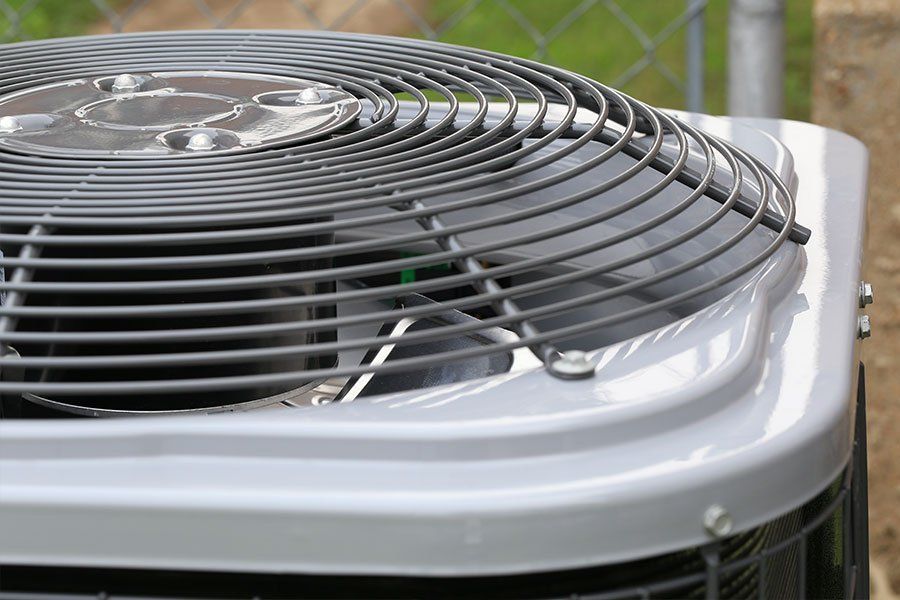
Routine maintenance on air conditioners is key to ensure your expensive equipment continues to function at a high level for years to come.

By info July 13, 2021
SEER stands for Seasonal Energy Efficiency Ratio and refers to the performance of air conditioners. New air conditioners must be manufactured to reach a minimum SEER level, which varies according to where in America the system is to be installed.
By info July 11, 2021
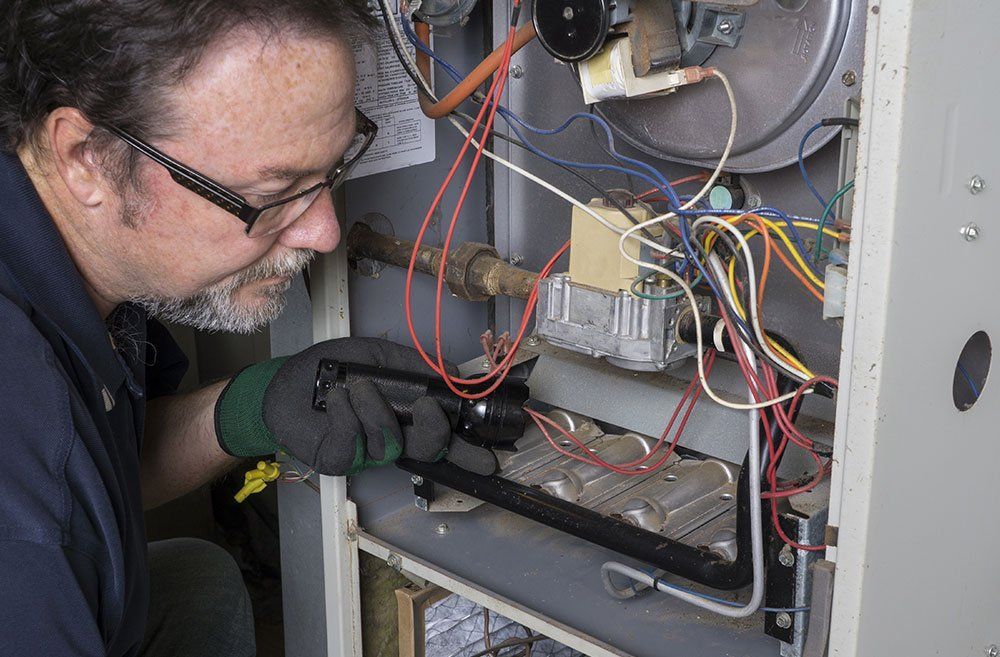
The biggest cause of failure in domestic heating systems is lack of maintenance. That’s when most people call for help – when the furnace isn’t working, or it’s working but the heat isn’t getting through, or the heat is getting through but it’s patchy and there isn’t enough of it.
By info July 8, 2021
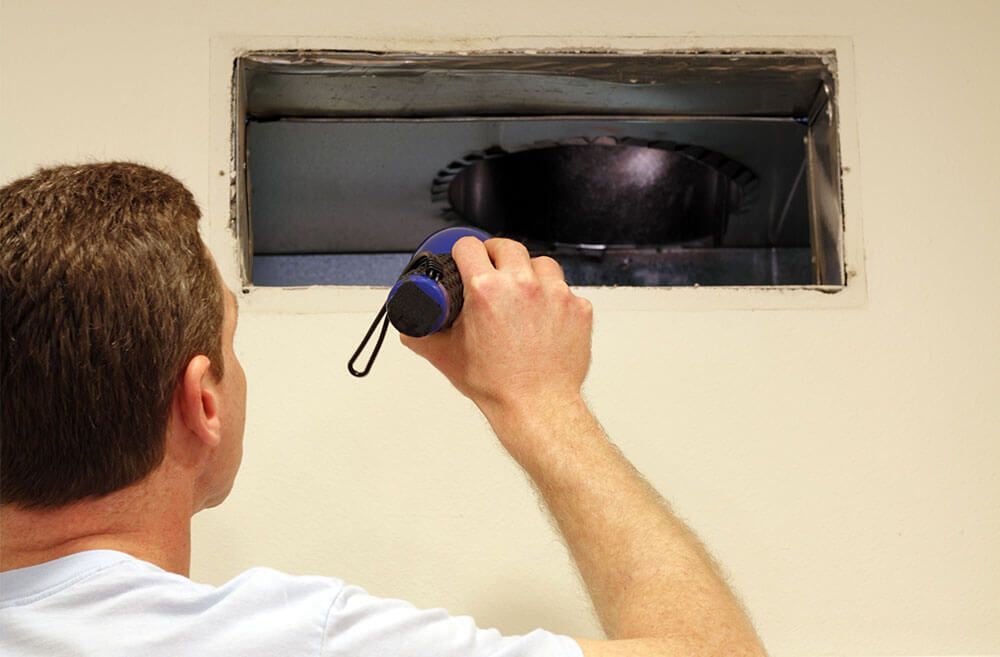
Ductless air conditioning is sometimes called a mini split or a ductless split system because it has two parts: A compressor installed outside the building; and an indoor fan unit installed close to the ceiling on an exterior wall.

By info June 28, 2021
How much should an air conditioning system cost? It’s a question we hear a lot, being in the business we’re in, and it’s really very difficult to answer.
Show More