

The growth of ductless HVAC

info • July 8, 2021

Share this article

What is ductless air conditioning and when is it the right choice?


First, a word of caution. When we don’t recommend going ductless, it isn’t because we have the ability to cut sheet metal on site and we want to use it. Ductless air conditioning is not for everyone and nor is it for every location. There are disadvantages, which we will list. Nevertheless, there are times when ductless is right – indeed, there are times when only ductless is possible – and the amount of ductless HVAC in America is increasing, so let’s talk about it.


So What Is Ductless A/C?


We’ll start with a summary of what we mean by ductless. Ductless air conditioning is sometimes called a mini split or a ductless split system because it has two parts:


  • A compressor installed outside the building; and
  • An indoor fan unit installed close to the ceiling on an exterior wall.


These two components are connected by copper lines that carry refrigerant and pass through holes drilled through the wall. The indoor unit gets its electricity from the outdoor unit and there is no need for additional wiring in the cooled room.


Where Is Ductless A/C Installed?


Ductless air conditioning systems can be installed almost anywhere, but in fact it only accounts for about 5% of the total American market, so clearly it is far from being the automatic choice. There are places where either installing ductwork or extending an existing ductwork system is not possible; clearly, if you’re going to have A/C there, it must be ductless. That can be the case particularly in very old buildings or (and this may often be the same thing) in those where the brickwork is too hard or the stonework is too thick to make installing ducts possible either at all or without a great deal of expense.


Houses that already have non-ducted heating systems – radiators, space heaters or hot water heat – are also candidates for ductless A/C, as ae multi-family homes where to have or not to have air conditioning will be a family-by-family choice.


Again, a ductless system may be preferred where only one or two rooms are to be cooled but the use of window units is frowned on either for security reasons or for lack of somewhere to store the units during the colder parts of the year.


Advantages of ductless systems


  • Where the choice is between a ductless system and a window unit, the ductless system will usually be much more energy efficient and therefore cheaper to run.
  • A ductless system may also be cheaper to run (and possibly make less noise) than a central system.
  • It’s possible to have more than one (and up to four, depending on the load each will be required to bear) indoor units connected to one outdoor compressor.
  • Ductless systems can be very flexible, and indoor units may be suspended from the ceiling as well as hung on a wall. If you have a drop ceiling, the unit can actually be embedded so that from inside the room it is flush with the ceiling.


Disadvantages of ductless systems


  • The cost per ton of cooling capacity is likely to be 30% more than a central system would cost and double the cost of window units.
  • You need an expert installer, because if the size and location of each indoor unit is not very accurately appraised then running costs are likely to go through the roof because of short-cycling (that is, too frequent on/offs). This will also cause temperature and humidity to be significantly different from what is intended.
  • Appearance can be a problem; central ducted systems are scarcely visible, but there is no missing a ductless unit.


For all that, the ductless market is here and it is growing. Make sure you get the best advice on the right system for your home or office by calling Climate Control Services today.

Recent Posts

December 14, 2023
Learn what to do when your furnace begins to fail or stops working. If your furnace needs repair, turn to a local HVAC service provider with the right amount of experience. Read this furnace repair guide to learn more.

December 6, 2023
At first glance, a heat pump and air conditioner appear nearly identical. However, one functions with greater versatility. Learn more about the differences in this post.

May 18, 2022
No one said homeownership was easy. Along with fiscal stability and long-term security, owning your own home can come with other inconveniences and frustrations such as seasonal stressors, unexpected repairs, and various rehab projects. While homeownership can sometimes seem like a never ending string of responsibilities and menial tasks, the statistical data is very clear: The frustration is worth it. Homeownership has significant benefits that can build both emotional and financial wealth over the years. Over three decades of studies have shown that homeownership leads to higher test scores for children, improved mental health outcomes, and a more stable retirement for adults.
By info August 16, 2021
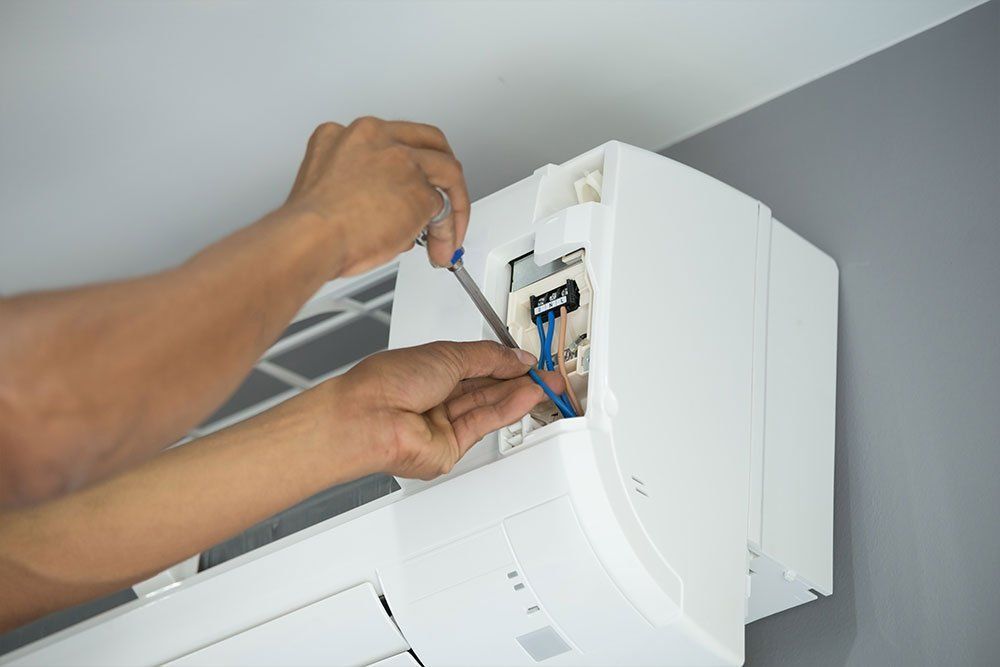
Split air conditioners have an outdoor unit and an indoor unit. The outdoor unit is on an outside wall near the space to be cooled and houses the compressor and the condenser and expansion coils. The indoor unit contains a cooling coil, blower and air filter.
By info August 6, 2021
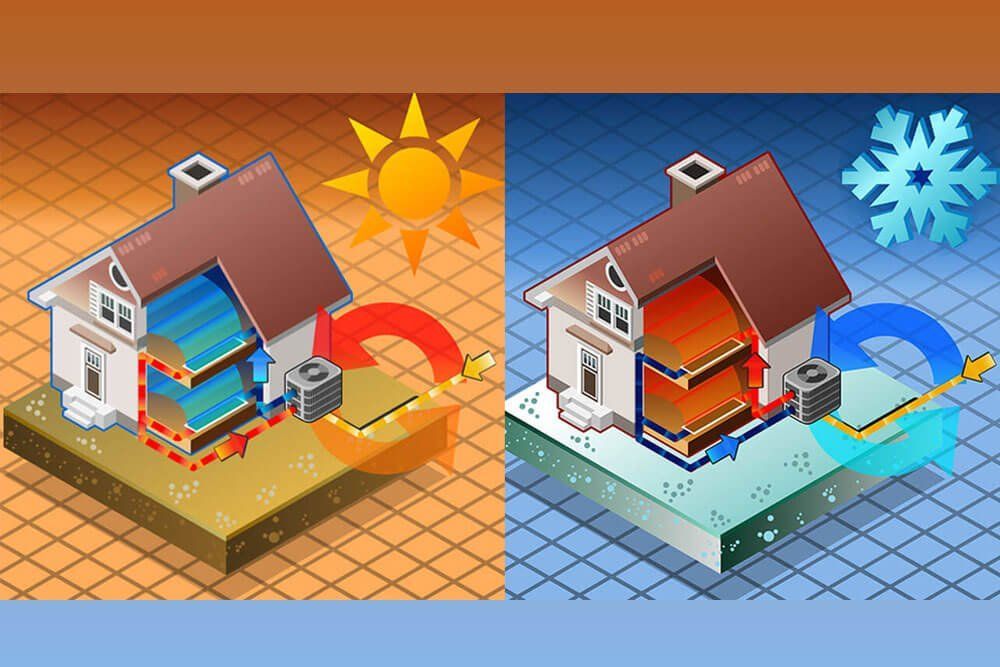
Most of the heat pumps you’ll see are splits: they have an outdoor unit and an indoor unit. Occasionally, you’ll come across a packaged system where everything – compressor, condenser, coil and fan – is in a single (outdoor) cabinet.
By info July 29, 2021
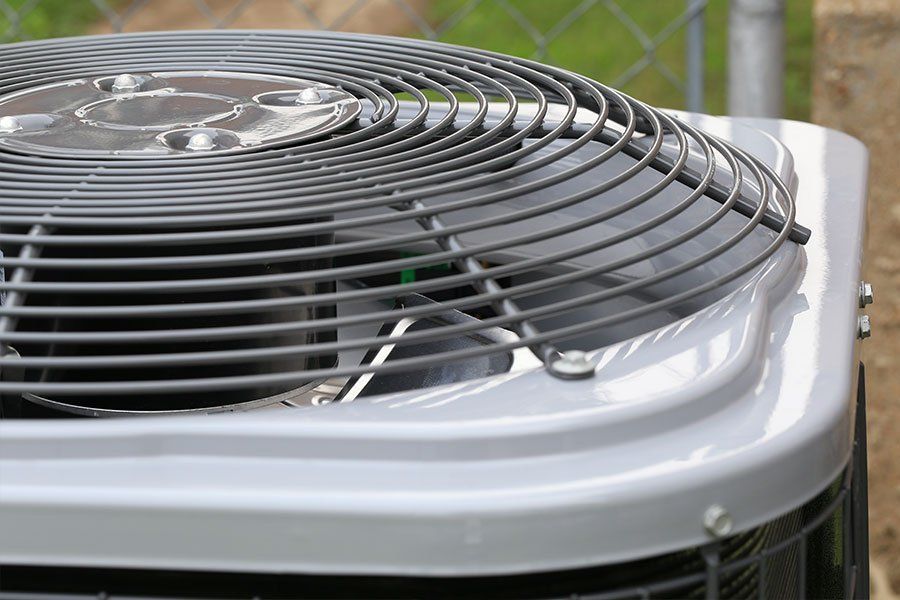
Routine maintenance on air conditioners is key to ensure your expensive equipment continues to function at a high level for years to come.

By info July 16, 2021
Building energy management systems (BEM) have been around for ten years or more but were mostly restricted to large facilities where they produced big cost savings and allowed management a better understanding of what went on in their buildings.

By info July 13, 2021
SEER stands for Seasonal Energy Efficiency Ratio and refers to the performance of air conditioners. New air conditioners must be manufactured to reach a minimum SEER level, which varies according to where in America the system is to be installed.
By info July 11, 2021
The biggest cause of failure in domestic heating systems is lack of maintenance. That’s when most people call for help – when the furnace isn’t working, or it’s working but the heat isn’t getting through, or the heat is getting through but it’s patchy and there isn’t enough of it.

By info June 28, 2021
How much should an air conditioning system cost? It’s a question we hear a lot, being in the business we’re in, and it’s really very difficult to answer.
Show More