

How to get the best out of zonal heating systems

info • June 21, 2021

Share this article

Zonal heating – what it is and why you need it


When central heating first came in, the usual system had only one thermostat. In private homes it would frequently be in the hallway and it would be set, not at the temperature the family wanted the hallway to be at, since there wouldn’t normally be people there, but at the temperature that produced the most satisfactory results in more frequently used rooms.


This approach is still common, and it always results in a compromise because most people would like different temperatures in different rooms and at different times. For example:


  • They will want the main family room to be comfortably warm during the hours when people are most likely to be there watching TV, talking, listening to music or simply hanging out together;
  • Kitchens will normally have a heat source of their own (such as a range) and may become uncomfortable if anything more than background heat is provided;
  • Bedrooms are used, for the most part, at night-time when the other rooms are empty and can reasonably be left unheated, but most people probably prefer to sleep in a bedroom that is reasonably cool – but not cold.


Remember, also, that warm air rises – so, if you heat the whole house using just one thermostat, chances are upstairs will be warmer than it needs to be and, in fact, warmer than is really comfortable. And you’re paying to heat those rooms to that temperature – and you’re probably not even in the upstairs rooms during the day!


The solution to this conundrum is zone heating. Radiators (which aren’t radiators at all – they heat by convection rather than radiation – but that’s probably a topic for another post) usually have thermostatic valves but varying the temperature there is no substitute for separate zonal systems. The speed at which a room warms up is determined by the size of the furnace, its heat setting and the size of the radiator and not by setting the radiator valve high.


Zonal energy use is already commonplace in America. You go into a room and turn the light on – for that room. Lighting up the one room you’re in doesn’t involve illuminating the whole house. You take a shower – running the shower does not mean having water pour from every faucet in the place. That’s zonal lighting and zonal water. So why not zonal heating?


There are various approaches to zone heating; the most far-reaching and effective is whole-house zone heating. The building is divided into zones and each has its own heating system with its own thermostat. The initial cash outlay is higher than for non-zonal systems, and studies have shown that in the warmer southern states the payback period would be long. In the colder north, however – and where is Illinois if not in the colder north (brrrr)? – those same studies have shown an energy reduction of 11.8% in the coldest eight weeks of the year between two identical houses where one used zone heating and one was conventionally heated.


And that 11.8% feeds straight through to your utility bills.


 How many zones your house needs is a matter for discussion. Let’s talk about it. And, while we’re talking, let’s take a look at your insulation, the state of your weather strips around doors and windows, and the vents and other outlets you’re using. It’s possible to spend a little more now and save a lot over the years to come.

Recent Posts

December 14, 2023
Learn what to do when your furnace begins to fail or stops working. If your furnace needs repair, turn to a local HVAC service provider with the right amount of experience. Read this furnace repair guide to learn more.

December 6, 2023
At first glance, a heat pump and air conditioner appear nearly identical. However, one functions with greater versatility. Learn more about the differences in this post.

May 18, 2022
No one said homeownership was easy. Along with fiscal stability and long-term security, owning your own home can come with other inconveniences and frustrations such as seasonal stressors, unexpected repairs, and various rehab projects. While homeownership can sometimes seem like a never ending string of responsibilities and menial tasks, the statistical data is very clear: The frustration is worth it. Homeownership has significant benefits that can build both emotional and financial wealth over the years. Over three decades of studies have shown that homeownership leads to higher test scores for children, improved mental health outcomes, and a more stable retirement for adults.
By info August 16, 2021
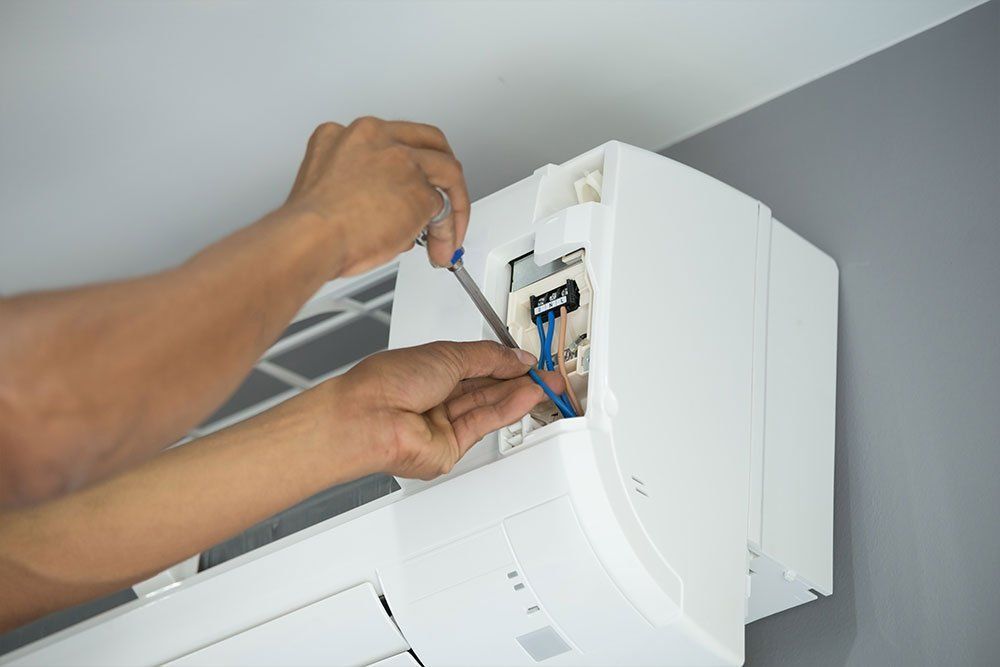
Split air conditioners have an outdoor unit and an indoor unit. The outdoor unit is on an outside wall near the space to be cooled and houses the compressor and the condenser and expansion coils. The indoor unit contains a cooling coil, blower and air filter.
By info August 6, 2021
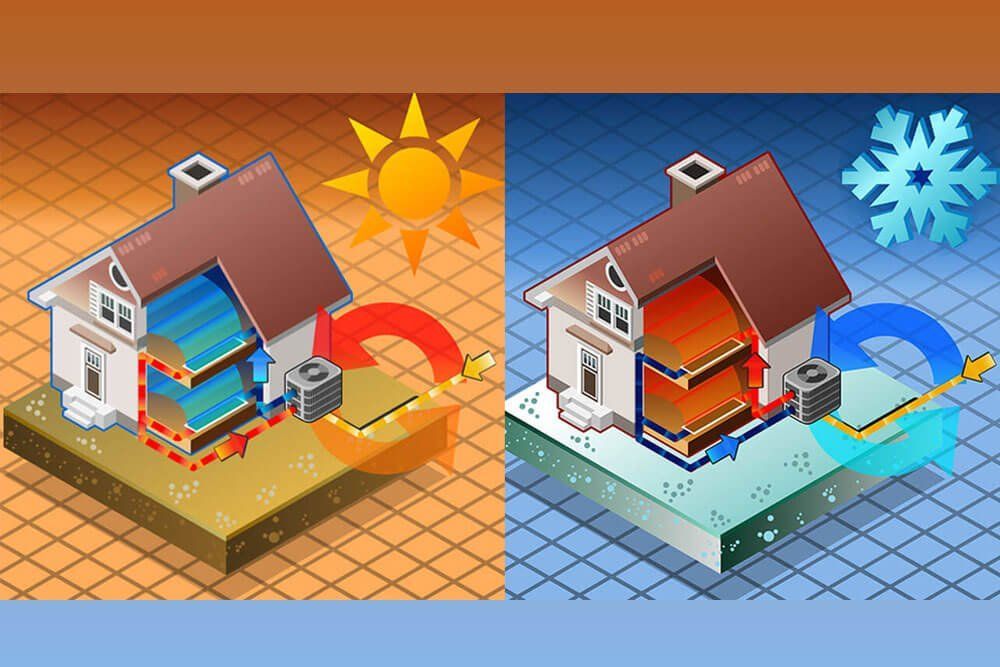
Most of the heat pumps you’ll see are splits: they have an outdoor unit and an indoor unit. Occasionally, you’ll come across a packaged system where everything – compressor, condenser, coil and fan – is in a single (outdoor) cabinet.
By info July 29, 2021
Routine maintenance on air conditioners is key to ensure your expensive equipment continues to function at a high level for years to come.

By info July 16, 2021
Building energy management systems (BEM) have been around for ten years or more but were mostly restricted to large facilities where they produced big cost savings and allowed management a better understanding of what went on in their buildings.

By info July 13, 2021
SEER stands for Seasonal Energy Efficiency Ratio and refers to the performance of air conditioners. New air conditioners must be manufactured to reach a minimum SEER level, which varies according to where in America the system is to be installed.
By info July 11, 2021
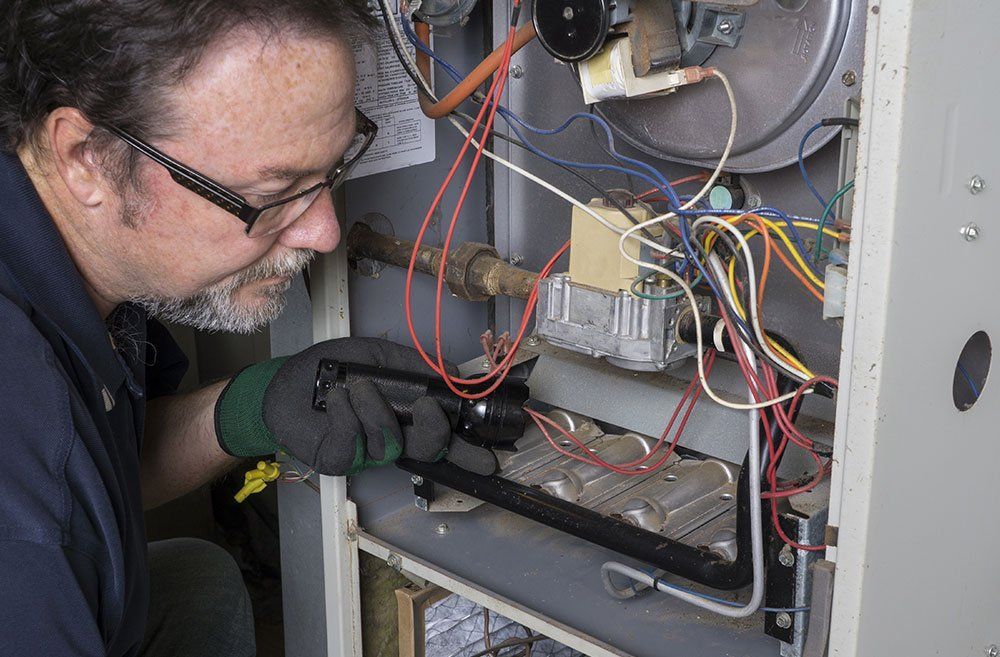
The biggest cause of failure in domestic heating systems is lack of maintenance. That’s when most people call for help – when the furnace isn’t working, or it’s working but the heat isn’t getting through, or the heat is getting through but it’s patchy and there isn’t enough of it.
By info July 8, 2021
Ductless air conditioning is sometimes called a mini split or a ductless split system because it has two parts: A compressor installed outside the building; and an indoor fan unit installed close to the ceiling on an exterior wall.
Show More