

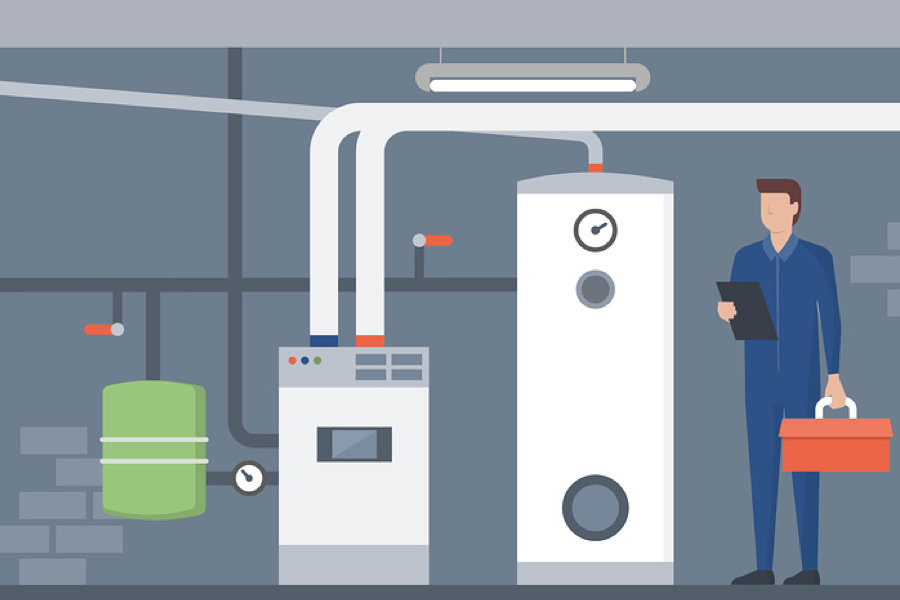
Should I hire someone to repair my A/C?

info • June 14, 2021

Share this article

When is it okay to repair your own air conditioner and when do you really need a pro?


The answer to this question depends, to a great extent, on who asks it. If you have good D-I-Y skills, feel comfortable using tools and have a healthy and informed respect for electricity, then the answer will be twofold:


  • For some kinds of faults, yes, you should.
  • For some other kinds of faults, no, there’s no need – there’s repair work you can do yourself.


If, on the other hand, you’re not an accomplished and confident D-I-Yer then an air conditioning unit may not be the best place to start.


But let’s go with Option 1 and look at A/C repair options open to the reasonably skilled.


Should I hire someone to repair my A/C? Step 1: the easy stuff


Here are some things you should do whether you’re good with your hands or not. First, check the thermostat. Has it somehow been incorrectly set? Then look at the route the air takes as it passes into and out of the unit. Is anything obstructing it? If so, remove the obstruction and test the A/C again. How about the registers (the grids that allow cool air into the building)? They’re not closed, are they? Finally, check the drain. Is anything restricting the outflow? If so, fix it – and, once again, re-test.


Should I hire someone to repair my A/C? Step 2


If Step 1 turned nothing up, check the coolant level because not having enough coolant will mean not having efficient cooling. If it’s below the maker’s recommended level, don’t top it up – you need to know where the leak is, and for that you need a trained technician. Call Climate Control Services and ask us to send one.


Should I hire someone to repair my A/C? Step 3


We’re still in the simple stages here. Make sure your thermostat knows it’s in A/C mode and turn down the temperature setting. Does the fan start running? If not, reset the circuit breaker, and if that doesn’t do the trick you need to call us because something is wrong that needs a techie to fix it.

Now step outside. Are the compressor and the fan running? (You should be able to hear the compressor and see the fan).


Should I hire someone to repair my A/C? Step 4: You’re going to need some tools


Equip yourself with a socket set, screwdrivers, a multimeter and a voltage sniffer. (If just looking at these makes you think you’re getting out of your depth, maybe you just found the answer to the question: should I hire someone to repair my A/C?)


Okay. This next bit is very important: turn off the power by pulling the disconnect block out of the electrical box near the condenser and use the voltage sniffer to make doubly sure it’s off. Then treble it by going to the main electrical panel and turning off the circuit breakers for both A/C and furnace. (You’ll recognize the disconnect block; it says “Disconnect” on it, probably in block capitals).


Clean the condenser coils. A garden hose will do the job. All sorts of rubbish gets stuck under the lid – clear it out. All of it. Did that work? If not, change the filter. (Maybe change the filter anyway – when was it changed last?)


Use the multimeter to check the fuses in the disconnect block. If they’re blown, that probably isn’t the ultimate problem – they blew for a reason and you’ll likely need a technician to work out what it was.


Should I hire someone to repair my A/C? Step 5


You have to decide whether this next D-I-Y step is for you. Your A/C system has at least one capacitor – possibly more. Before you can disconnect a capacitor, you must discharge it. If you’re happy doing that, then afterwards disconnect the capacitor wire by wire, attaching the wire to a replacement capacitor before moving on to the next wire. Then replace the old contactor with a new one, once again wire by wire.


Is your air conditioning now working again?


If so, congratulations! You’ve saved yourself some money and gained some new skills.


If not, we’re sorry, but now it’s time to hand over to a pro. Call Climate Control Services and make sure the job is done right.


 As this has probably shown, some air conditioner faults are fixable by the home handyperson and some aren’t. But having a maintenance contract is probably a good idea in any case. Air conditioning is a serious investment and keeping it running at maximum efficiency for as many years as possible is expenditure well worth paying.

Recent Posts

December 14, 2023
Learn what to do when your furnace begins to fail or stops working. If your furnace needs repair, turn to a local HVAC service provider with the right amount of experience. Read this furnace repair guide to learn more.

December 6, 2023
At first glance, a heat pump and air conditioner appear nearly identical. However, one functions with greater versatility. Learn more about the differences in this post.

May 18, 2022
No one said homeownership was easy. Along with fiscal stability and long-term security, owning your own home can come with other inconveniences and frustrations such as seasonal stressors, unexpected repairs, and various rehab projects. While homeownership can sometimes seem like a never ending string of responsibilities and menial tasks, the statistical data is very clear: The frustration is worth it. Homeownership has significant benefits that can build both emotional and financial wealth over the years. Over three decades of studies have shown that homeownership leads to higher test scores for children, improved mental health outcomes, and a more stable retirement for adults.
By info August 16, 2021
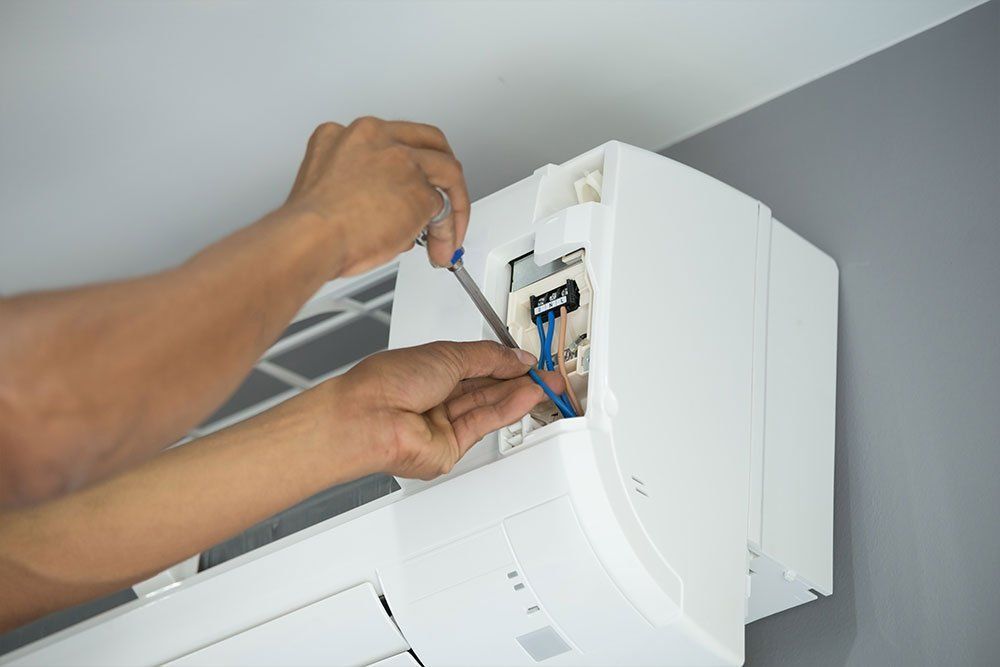
Split air conditioners have an outdoor unit and an indoor unit. The outdoor unit is on an outside wall near the space to be cooled and houses the compressor and the condenser and expansion coils. The indoor unit contains a cooling coil, blower and air filter.
By info August 6, 2021
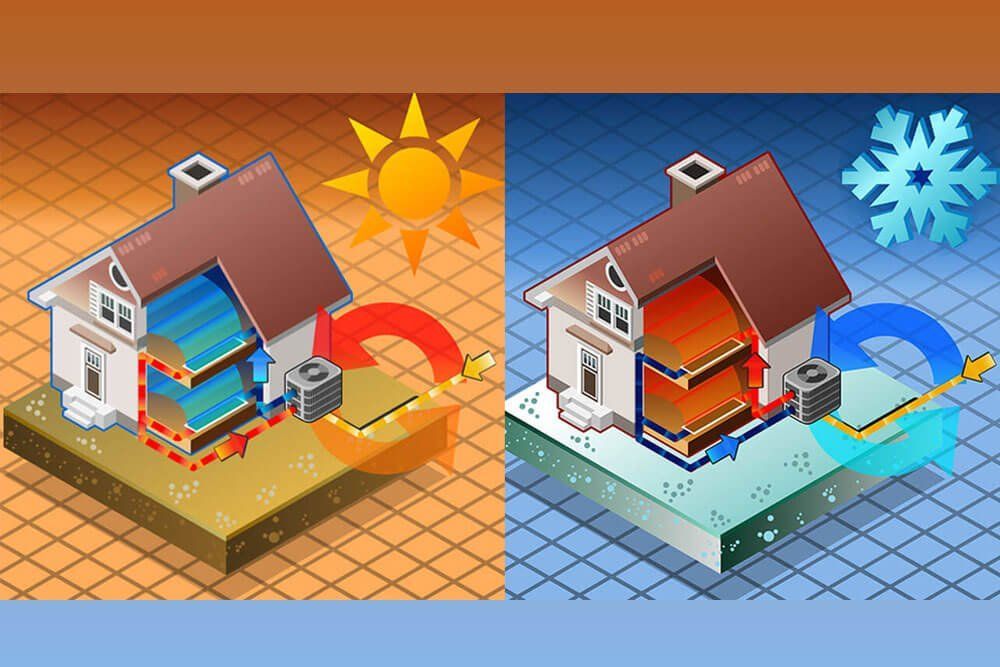
Most of the heat pumps you’ll see are splits: they have an outdoor unit and an indoor unit. Occasionally, you’ll come across a packaged system where everything – compressor, condenser, coil and fan – is in a single (outdoor) cabinet.
By info July 29, 2021
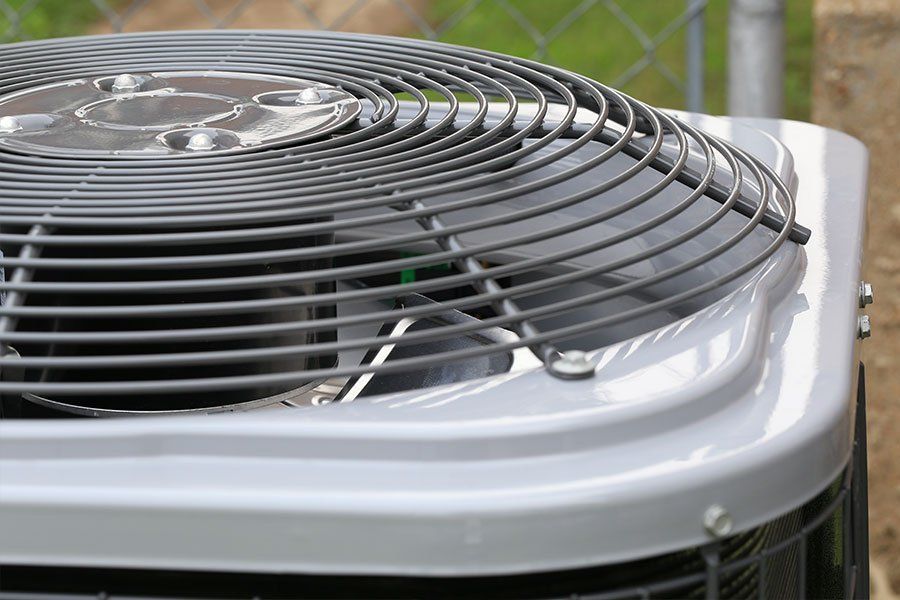
Routine maintenance on air conditioners is key to ensure your expensive equipment continues to function at a high level for years to come.

By info July 16, 2021
Building energy management systems (BEM) have been around for ten years or more but were mostly restricted to large facilities where they produced big cost savings and allowed management a better understanding of what went on in their buildings.

By info July 13, 2021
SEER stands for Seasonal Energy Efficiency Ratio and refers to the performance of air conditioners. New air conditioners must be manufactured to reach a minimum SEER level, which varies according to where in America the system is to be installed.
By info July 11, 2021
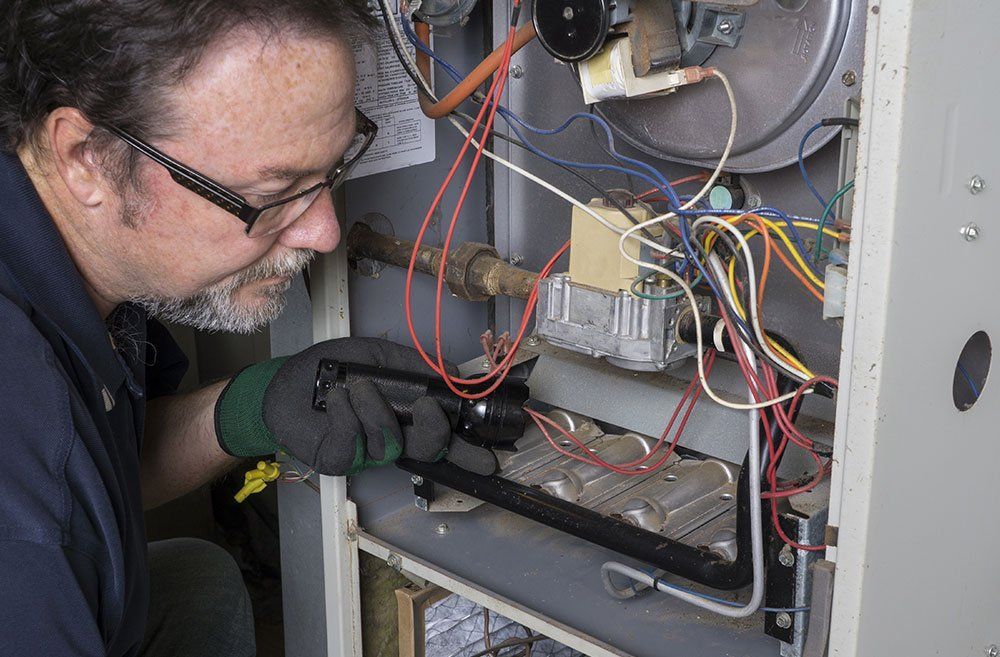
The biggest cause of failure in domestic heating systems is lack of maintenance. That’s when most people call for help – when the furnace isn’t working, or it’s working but the heat isn’t getting through, or the heat is getting through but it’s patchy and there isn’t enough of it.
By info July 8, 2021
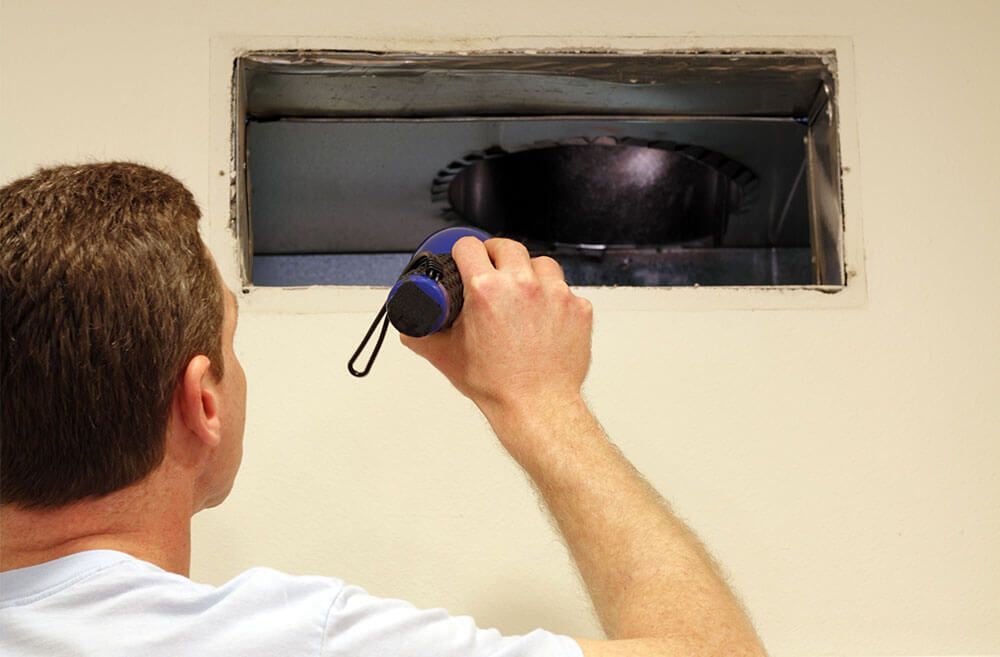
Ductless air conditioning is sometimes called a mini split or a ductless split system because it has two parts: A compressor installed outside the building; and an indoor fan unit installed close to the ceiling on an exterior wall.
Show More